Conference brought together plenty of relevant conversations around AI, culture, employee experience, and the changing role of HR. Across the sessions, one thing stood out clearly: while technology is moving fast, meaningful change still depends on how organisations work, lead, and bring people along.
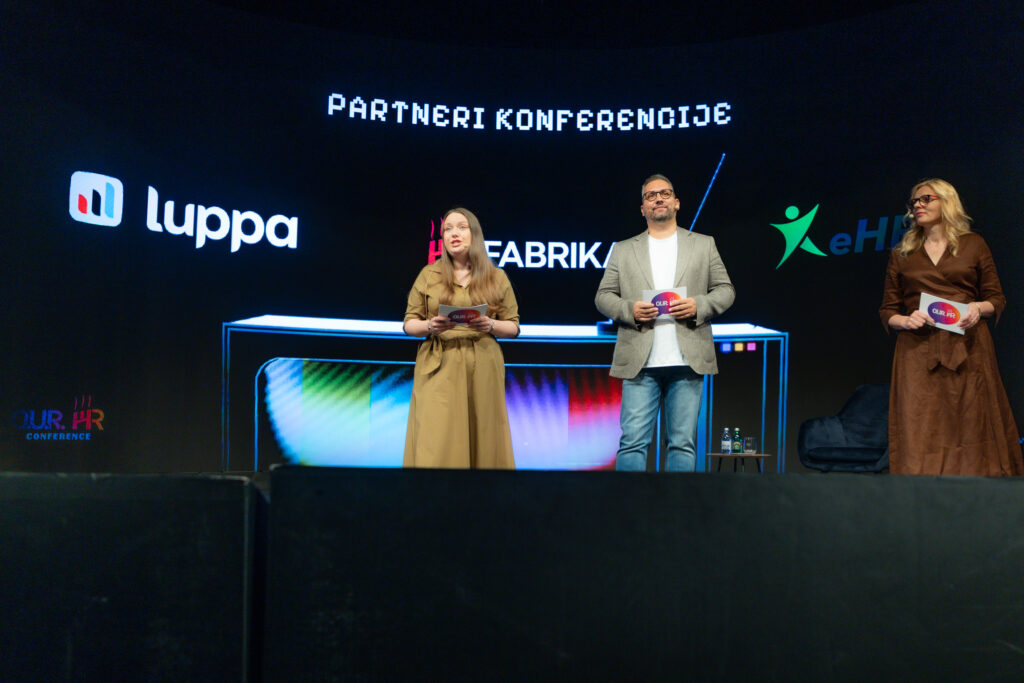
Here are three takeaways we brought back with us:
1. Tech helps, but it cannot do the whole job
AI and digital tools are changing the way we work fast, but real impact only happens when organisations also redesign processes, clarify responsibilities, build the right skills, and improve collaboration across teams. Technology can speed things up, but it cannot replace a clear HR approach.
2. Change works better when people actually feel it works
Speakers repeatedly highlighted that change does not happen because of strategy on paper, but because of how people experience it in practice. Psychological safety, autonomy, clear communication, strong leadership, and a well-designed employee experience all influence whether change truly takes hold.
3. Big change usually starts with smaller moves
Instead of relying on big-bang rollouts, a more effective approach is to work in smaller sprints focused on the moments that matter most to employees. Storytelling also plays an important role: organisations build stronger momentum for change when they communicate one clear direction and invite people to help shape that story.
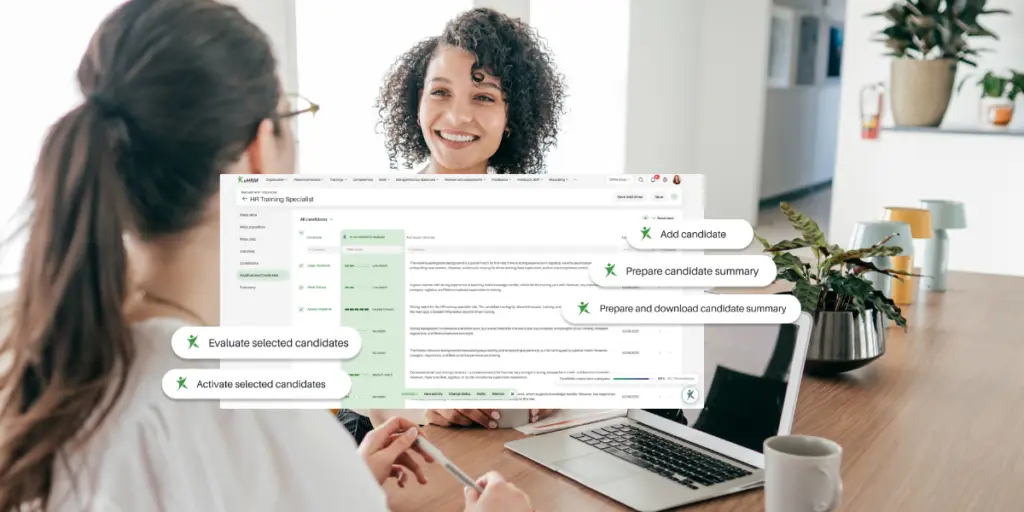
For us, it was a great reminder that modern HR needs space to do more than admin. When teams spend less time on repetitive tasks and fragmented processes, they can focus more on people, change, and impact.
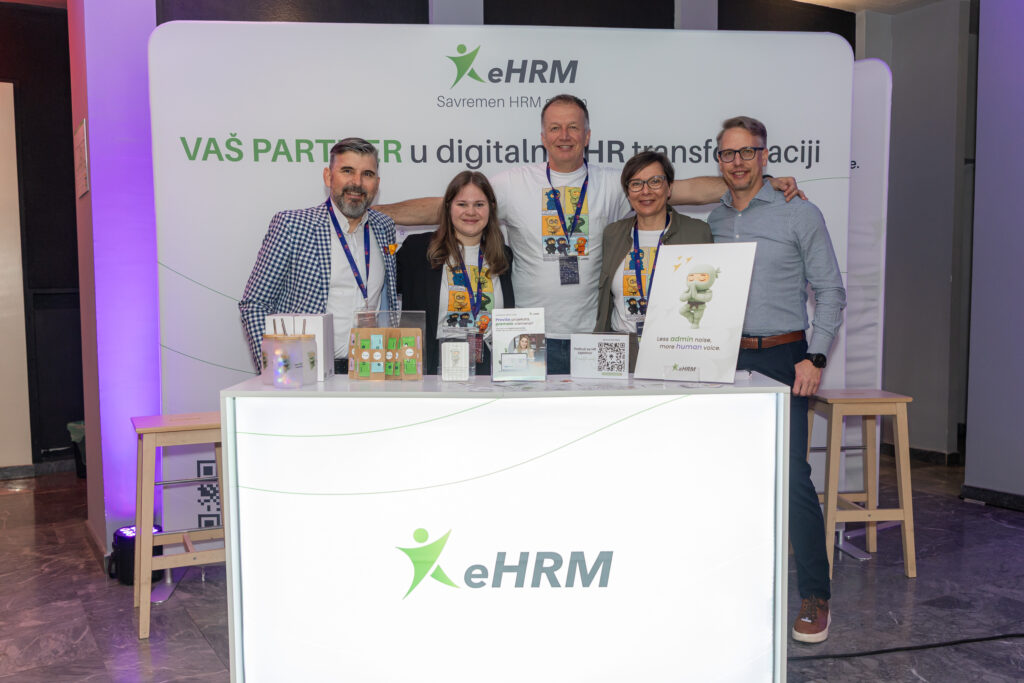
How eHRM helps HR shift forward?
With eHRM, HR teams can spend less time on transactions and more time on transformation. From automating routine workflows to improving clarity, employee experience, and day-to-day HR processes, eHRM helps create more room for strategic HR work.